


Introduction
Purpose: Establish the parent’s core question, acknowledge the emotional weight of a child’s injury at school or daycare, and preview the legal framework for holding facilities accountable.
Key Points:
- A child injured at a school or daycare raises immediate questions: Was someone negligent? Can we sue? What damages are available?
- Schools and daycares owe a legal duty of care to children in their supervision; when they breach that duty and injury results, liability may follow.
- California law distinguishes between public schools (which face different procedural hurdles) and private schools/daycares, and between negligence and dangerous conditions.
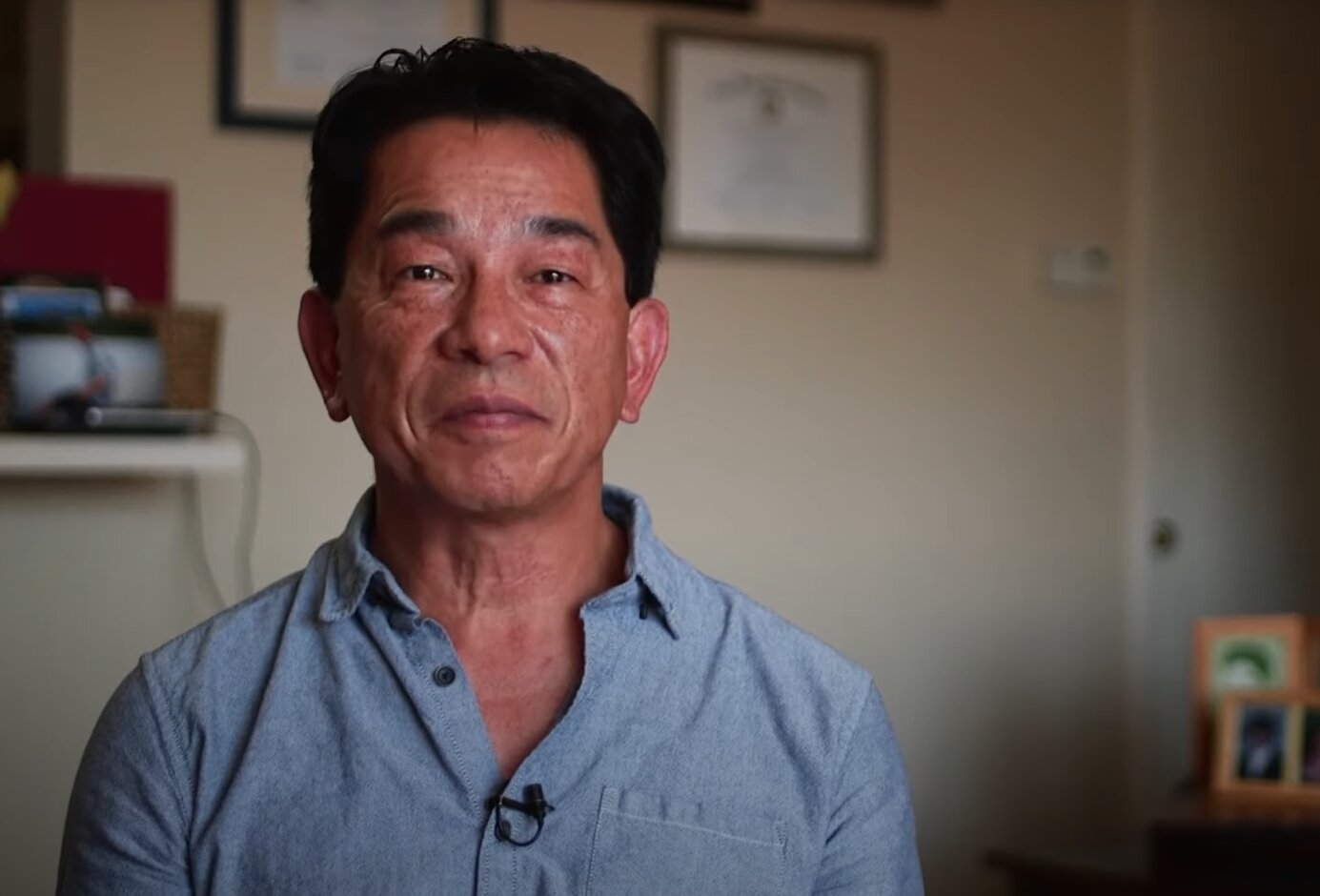
"Even now, after our case is over, Ryan is still there for us whenever we need him. They're good people."
NO FEES UNLESS WE WIN GUARANTEE
NO FEES UNLESS WE WIN GUARANTEE


What Duty of Care Do Schools and Daycares Owe?
Purpose: Define the legal foundation: what ‘duty of care’ means for schools and daycares in California, and what ‘negligence’ requires.
Key Points:
- Daycares and schools are required by law to provide reasonable supervision and maintain safe premises; this is their foundational duty of care.
- Negligence requires four elements: duty, breach of that duty, causation, and damages—a premises liability attorney evaluates whether all four are present.
- Different facility types (licensed daycares, in-home providers, public schools, private schools) may face varying standards and regulations under California law.
Common Causes of School and Daycare Injuries
Purpose: Illustrate real-world scenarios where negligence is often claimed, helping parents identify whether their child’s injury fits a pattern of preventable harm.
Key Points:
- Negligent supervision (inadequate staff-to-child ratios, lack of oversight during transitions or outdoor time) leading to falls, collisions, or abuse by other children.
- Unsafe premises (broken playground equipment, exposed hazards, poor maintenance, lack of safety barriers) resulting in accidents.
- Transportation accidents (improper vehicle maintenance, reckless driving, failure to secure children safely) during school or daycare transport.
- Include comparison table: Common injury types (playground accident vs. supervision failure vs. unsafe equipment) with typical liability questions per type.
"I felt very protected, especially the way Ryan answered any question I had. I was very happy with the results of my case."
NO FEES UNLESS WE WIN GUARANTEE
NO FEES UNLESS WE WIN GUARANTEE
Public Schools vs. Private Schools and Daycares: Different Rules Apply
Purpose: Clarify the procedural and substantive differences; public schools enjoy governmental immunity protections and strict procedural requirements, while private facilities face standard negligence liability.
Key Points:
- Public schools are protected by governmental immunity in California, limiting claims to specific exceptions (negligent hiring, misuse of facilities, etc.) and involve different procedural requirements before pursuing a lawsuit. [Writer: Verify exact filing deadline and procedures applicable to public school claims; include source or citation in final article.]
- Private schools and daycares are sued under standard negligence law without the immunity bar or special administrative notice requirements.
- Parents must understand which type of facility their child attended to know the correct legal path forward and filing deadlines.
"Our goal is to remove the stress of the case from you, so you can focus on treating your injuries and begin your road to recovery."
NO FEES UNLESS WE WIN GUARANTEE
NO FEES UNLESS WE WIN GUARANTEE
What Must Be Proven to Hold a School or Daycare Liable?
Purpose: Walk the parent through the burden of proof: what evidence and arguments are needed to win a negligence or premises liability claim.
Key Points:
- A parent must prove the facility owed a duty, breached it, and that breach directly caused the child’s injury—conjecture or suspicion is not enough.
- Evidence matters: incident reports, staff schedules, maintenance records, photographs, medical records, and witness statements support a claim.
- Expert opinions (from child safety specialists, medical professionals, or facility management experts) often establish that the facility fell below the standard of care.
Damages and Compensation for Child Injuries
Purpose: Explain the types of financial recovery available—medical costs, pain and suffering, lost wages for a parent, and long-term care needs.
Key Points:
- Economic damages include medical bills (emergency care, hospitalization, rehabilitation), ongoing therapy, future medical needs, and prescriptions.
- Non-economic damages cover the child’s pain and suffering, emotional trauma, and diminished quality of life; for permanent injuries, these can be substantial.
- Parents may recover lost wages if they had to leave work to care for the injured child; in wrongful death claims, families may seek damages for loss of society and companionship.
Frequently Asked Questions
Purpose: Address common follow-up questions parents ask when evaluating a potential claim; answer directly and briefly.
Can you sue a daycare if your child gets hurt?
Yes, if the daycare was negligent—failed to supervise properly, maintained an unsafe facility, or breached their duty of care. Negligence must be proven; not every accident is actionable.
What is the time limit to file a claim?
Filing deadlines vary significantly by facility type and circumstance. [Writer: Confirm California statute of limitations for minors in personal injury claims and any special procedural requirements for public school claims before finalizing; include source citations.]
Can parents recover damages in a school injury case even if the school says it was an accident?
Yes, if the school’s negligence (not mere accident) caused the injury. Premises liability does not require intentional harm—breaching the duty of care is enough.
What happens if my child is injured during transportation to or from school?
The school or daycare remains liable if they arranged transportation and negligence occurred (poor vehicle maintenance, reckless driving, improper child restraint). The transportation company and school may share liability.
Do I need a lawyer to file a claim against a school or daycare?
While parents may file alone, school and daycare facilities often have legal counsel and insurance. A premises liability attorney levels the playing field, handles procedural requirements, and negotiates for fair compensation.
Moving Forward After Your Child’s Injury
Purpose: Summarize the key takeaway (parents do have legal recourse, but the path differs by facility type) and direct the reader toward professional guidance without script.
Key Points:
- Whether your child was injured at a public school, private school, or daycare, California law provides a framework to hold negligent facilities accountable and recover damages for your child’s care and suffering.
- The specifics—deadlines, immunity protections, evidence needed—depend on the facility type and circumstances of the injury. A consultation with a premises liability attorney in Los Angeles can clarify your options, identify liable parties, and guide your next steps.
Call-to-action
If your child has been injured at a school or daycare in Los Angeles, BANA LAW is here to help. Contact us for a free consultation to discuss your case, understand your rights, and learn what damages may be recoverable. [Writer: Confirm availability claim before finalizing CTA.]

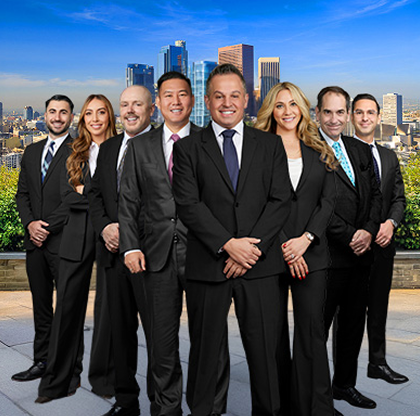
"We use over 100 years of combined legal experience to help our clients get the maximum compensation available under the circumstances."
NO FEES UNLESS WE WIN GUARANTEE
NO FEES UNLESS WE WIN GUARANTEE


