


Reviewed by Shant Nashalian, Litigation Attorney at BANA LAW, PC. Last reviewed: October 2026.
A hotel is supposed to be a place to rest, so getting hurt in a lobby or beside the pool can leave you shaken and unsure what comes next. Knowing what to do after a hotel accident in Los Angeles protects both your recovery and your right to compensation, because under Civil Code section 1714 every property owner must use ordinary care in managing its property. When a hotel falls short of that duty and a guest or visitor is hurt, the law may hold the hotel responsible for the harm. At BANA LAW, PC, our attorneys have represented injured Californians since 2003, including guests hurt by wet floors, broken stairs, and poorly secured properties. This guide explains how hotel injuries happen, when a hotel is responsible, and which steps protect your claim. It is general information, and your situation deserves a conversation with a lawyer who knows the facts.
Can You Sue a Hotel for Injury?
In California, you can bring a claim against a hotel when its carelessness caused your injury. These cases fall under premises liability, which holds property owners responsible for unsafe conditions they knew about or should have fixed. The hotel’s owner, its management company, and sometimes outside contractors can all share that responsibility. A claim usually starts with the hotel’s insurer and can become a lawsuit in superior court. Timing matters as much as fault. Code of Civil Procedure section 335.1 gives most injured people two years from the date of injury to file a lawsuit, and the California Courts self-help center confirms that general rule. If the injury happened on public property next to the hotel, such as a city sidewalk or a public parking structure, a written claim to the agency is usually due within six months under Government Code section 911.2. Evidence fades much faster than either deadline.

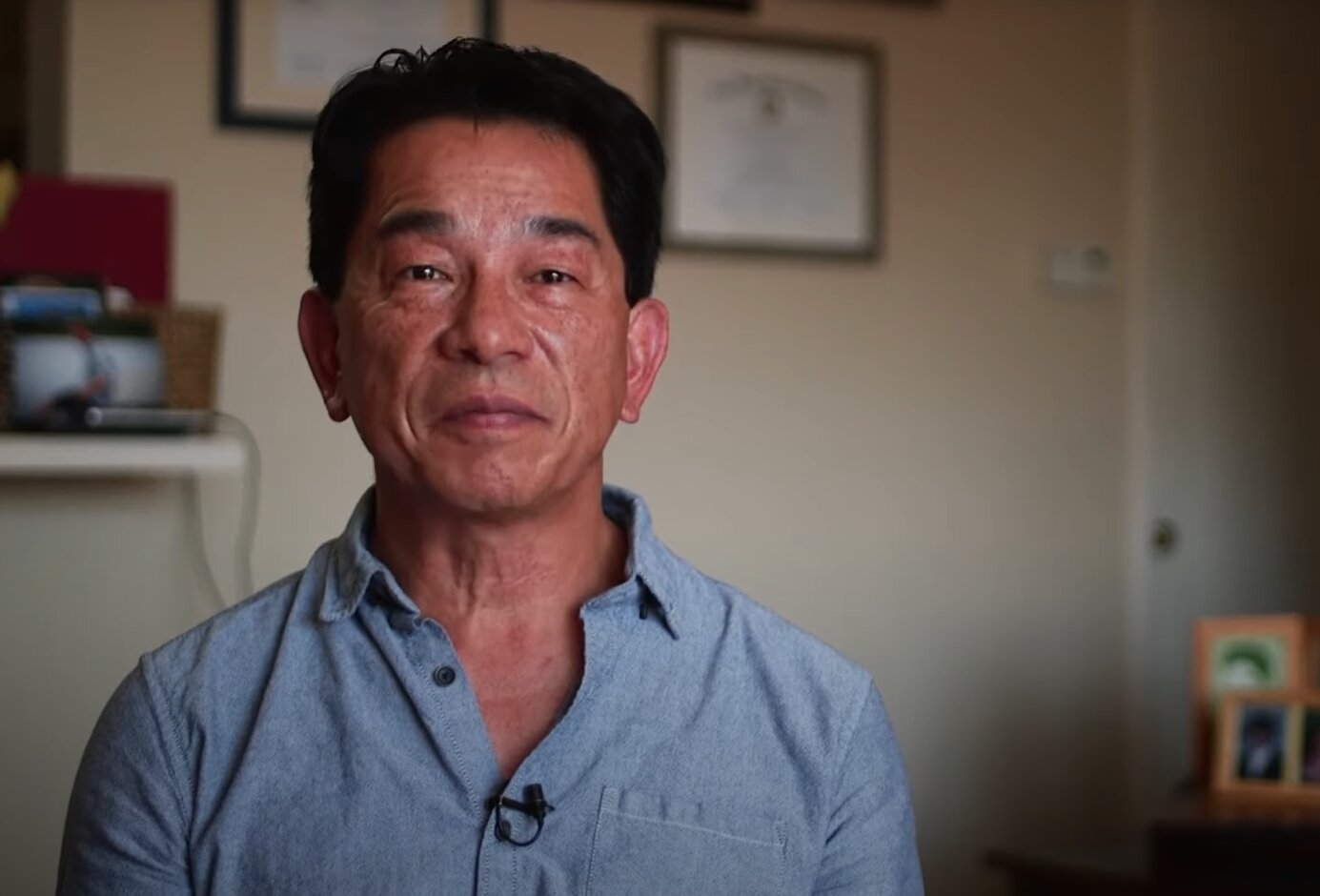
"Even now, after our case is over, Ryan is still there for us whenever we need him. They're good people."
NO FEES UNLESS WE WIN GUARANTEE
NO FEES UNLESS WE WIN GUARANTEE


What Are the Most Common Types of Hotel Accidents?
Most hotel cases we see start with an ordinary hazard someone should have caught. Slip and falls lead the list: freshly mopped lobbies, wet pool decks, rain at the entrance, and slick bathtubs. Trip hazards follow, including torn carpet, worn stair edges, uneven parking lots, and luggage carts in walkways. Poor lighting in stairwells and parking garages makes every one of those hazards harder to see. Other hotel injuries involve equipment and security. Misleveled elevators, broken furniture, scalding water, and poorly kept pools can all cause harm, and a Los Angeles hotel accident lawyer can tell you whether the maintenance history supports a claim. When a guest is assaulted where locks, cameras, or guards were missing, the claim may rest on negligent security rather than a physical hazard. Injuries range from sprains to life-changing spinal and brain injuries.
Is a Hotel Liable for All Guest Injuries that Occur?
A hotel is not automatically liable for every injury that happens on its property, because California law requires reasonable care rather than perfect safety. To win a premises liability claim, an injured person generally must show that the hotel controlled the property, that a dangerous condition existed, that the hotel knew or should have known about it, and that its failure to fix or warn about the hazard caused the injury. Visitors who are not registered guests are owed the same duty. That standard applies equally to a downtown high-rise and a small motel near LAX. “Should have known” is often the heart of the case. California jury instructions let jurors find that a hotel should have discovered a hazard a reasonable inspection would have revealed, so missing inspection logs can hurt its defense. Fault can also be shared, and under California’s pure comparative negligence rule a partly careless guest can still recover, with the award reduced by that guest’s share of fault. Our guide to comparative negligence in California explains how that reduction works in practice.
Who May Be Liable for a Hotel Injury?
| Party | When They May Be Responsible | Example |
|---|---|---|
| Hotel owner | Owns the property and controls its condition | Broken stair edge left unrepaired for months |
| Management company | Runs daily operations, staffing, and inspections | No floor checks logged during a rainy evening |
| Franchisor or brand | Controls the specific safety policy or equipment at issue | Required door locks never installed or repaired |
| Outside contractor | Created or maintained the hazard | Careless elevator or pool service work |
| Public entity | Owns the sidewalk or lot where the fall happened | City sidewalk with a raised slab at the entrance |
Most hotel claims involve more than one of these parties, and each may carry its own insurance policy. Contracts and maintenance records show who actually controlled the hazard, which is why identifying every party early matters.
"I felt very protected, especially the way Ryan answered any question I had. I was very happy with the results of my case."
NO FEES UNLESS WE WIN GUARANTEE
NO FEES UNLESS WE WIN GUARANTEE
What to Do After a Hotel Accident in Los Angeles
After a hotel accident in Los Angeles, get medical care first, report the incident to a manager and ask for a copy of the report, photograph the hazard and your injuries, collect witness names, keep your receipts and clothing, and avoid signing hotel forms or giving recorded statements until you have spoken with a premises liability attorney.
- Get medical care right away. Call 911 if you are seriously hurt, and see a doctor within a day or two even if you feel fine, because back, neck, and head injuries often worsen.
- Report the incident to management. Ask the manager to write an incident report, note each staff member’s name, and request a copy.
- Photograph the scene and your injuries. Capture the hazard, the lighting, and any missing warning signs, then photograph your injuries over the following days.
- Collect witness information. Get names and phone numbers from guests or employees who saw what happened.
- Preserve physical evidence. Keep your shoes, clothing, room folio, and every medical bill.
- Ask an attorney to send a preservation letter. Many hotels record over security video on a set cycle, and a written demand can keep that footage from disappearing.
- Stay off social media. Insurers review public posts, and a single vacation photo can be used to argue that your injuries are minor.
Hotel cases are won on records. In a previous case, our client slipped and fell while entering a Los Angeles hotel at its front entrance and suffered a spine injury, and we secured a settlement of $1,000,000 for that client. No amount of compensation can undo an injury like that, but it can provide the stability needed to pay for treatment and rebuild. Past results do not guarantee future outcomes, and every case is evaluated on its own facts.

"Our goal is to remove the stress of the case from you, so you can focus on treating your injuries and begin your road to recovery."
NO FEES UNLESS WE WIN GUARANTEE
NO FEES UNLESS WE WIN GUARANTEE
Should I Speak With the Hotel’s Insurance Company?
You can confirm basic contact details, but be careful about anything more until you have legal advice. An adjuster for the hotel’s insurer may ask for a recorded statement, request broad medical authorizations, or offer a quick payment for a signed release. The adjuster’s job is to limit payment, and a comment like “I wasn’t watching my step” can shift fault onto you. Once you sign a release, the claim is usually over, even if your injuries turn out to be worse than you knew. You do not have to handle those calls alone. BANA LAW offers free, confidential consultations 24/7, and because we work on a no win, no fee basis and advance all case costs, talking with us costs you nothing. Once we represent you, the insurer deals with our office, so you can focus on healing.
Final Thoughts on What to Do After a Hotel Accident in Los Angeles
Knowing what to do after a hotel accident in Los Angeles comes down to a few early decisions: getting care, documenting everything, and protecting your words. Hotels and insurers build their side of the story the day you are hurt, so evidence gathered in the first week often shapes the claim. With a two-year filing deadline for most lawsuits and a six-month window for claims involving public property, acting early keeps every option open.
- See a doctor promptly and keep every record, bill, and receipt tied to your injury.
- Report the accident in writing, photograph the hazard, and collect witness contact information before you leave.
- Decline recorded statements and releases until a premises liability attorney has reviewed your case.
How BANA LAW Can Help
Our attorneys investigate hotel injury claims from the first call, sending preservation letters and identifying every party that controlled the property. Learn more about our work as a premises liability lawyer in Los Angeles, or read how we approach proving liability in a California slip and fall case when a fall is at the center of the claim. Either way, we are ready to review what happened and explain your options in plain terms.
Frequently Asked Questions About What to Do After a Hotel Accident in Los Angeles
What should I do if the hotel denies responsibility for my injury?
A denial is often an opening position rather than the final word, so keep your records and avoid arguing by phone. An attorney can gather the inspection logs, video, and witness accounts that a denial usually ignores.
How long do I have to file a claim after a hotel accident in California?
Most personal injury lawsuits in California must be filed within two years of the injury, and our guide to the personal injury statute of limitations in California explains the exceptions. If public property was involved, a written claim to the agency is generally due within six months.
What damages can I recover from a hotel injury claim?
You may be able to recover economic damages such as medical bills, future care, and lost income. You may also be eligible for non-economic damages for pain, emotional distress, and loss of enjoyment of life.
What is premises liability, and how does it apply to hotels?
Premises liability is the area of law that holds property owners and operators responsible for injuries caused by unsafe conditions they failed to fix or warn about. For hotels, it covers lobbies, rooms, pools, stairwells, and parking areas the hotel controls.
What can I sue a hotel for in California?
You can bring a claim for injuries caused by unsafe floors, broken stairs, defective fixtures, poorly maintained pools or elevators, and inadequate security. The key question is whether the hotel knew or should have known about the danger and failed to act reasonably.
Can I still recover if I was partly at fault for my own fall?
California follows pure comparative negligence, so you can recover even if you share some of the blame. Your compensation is reduced by your percentage of fault, which means a guest found 20 percent at fault keeps 80 percent of the damages.
Does it matter whether I was a registered guest or just visiting someone at the hotel?
In most cases it does not, because California requires hotels to use reasonable care toward everyone lawfully on the property. Visitors attending events or dining at a hotel restaurant generally have the same rights as guests.
Can I file a claim if I was injured at a hotel pool?
Hotels must keep pools, decks, gates, and drains reasonably safe and warn guests about hazards such as slick surfaces or broken equipment. Our swimming pool accident lawyers in Los Angeles can review whether the hotel’s maintenance or supervision fell short.
What if my injuries did not appear until later?
Delayed symptoms are common with back, neck, and head injuries, and a claim is still possible when a doctor connects the injury to the accident. See a physician as soon as symptoms appear and tell the doctor exactly where and how you were hurt.
What types of evidence are most important in a hotel injury case?
The most useful evidence includes the incident report, security video, photographs of the hazard, witness statements, and the hotel’s inspection and maintenance logs. Medical records linking your injury to the accident matter just as much.
What are my options if I was injured in a hotel while traveling out of state?
If you live outside California and were hurt at a Los Angeles hotel, you can usually pursue your claim here under California law even after you return home. A California attorney can handle much of the case remotely while you treat at home.
How can a lawyer help me determine if a hotel was negligent?
A lawyer can obtain records only the hotel holds, such as inspection schedules, prior complaints, and video. That review shows whether the hotel missed a hazard it should have found, which is often the deciding issue.
Talk to a Los Angeles Premises Liability Attorney Today
If you were hurt at a hotel in Los Angeles or anywhere in California, BANA LAW is here to help you understand your options. Call (866) 418-1437 for a free, confidential consultation, available 24/7. We work on a no win, no fee basis and advance all case costs, so you pay no attorney fees unless we recover compensation for you. Se Habla Español.
Legal Disclaimer
This article provides general information about California law and is not legal advice. Reading it or contacting BANA LAW, PC through this website does not create an attorney-client relationship. Every case depends on its own facts, so please consult a licensed California attorney about your specific situation. Past results do not guarantee future outcomes.

"We use over 100 years of combined legal experience to help our clients get the maximum compensation available under the circumstances."
NO FEES UNLESS WE WIN GUARANTEE
NO FEES UNLESS WE WIN GUARANTEE


