


Reviewed by Sung “Sean” Kim, Lead Trial Attorney at BANA LAW, PC. Last reviewed: November 2026.
If you were hurt in a crash involving a car that was steering itself, you may be asking: who is liable when an autonomous vehicle crashes in California? The answer starts with Vehicle Code section 38750, which defines who counts as the “operator” of a self-driving car and sets insurance rules for the companies that test and deploy them. Responsibility can fall on a human driver, the company running the vehicle, the makers of its hardware and software, another motorist, or several at once, and we know how unsettling it is to be hurt by a machine with no one behind the wheel.
BANA LAW, PC has represented injured Californians for more than two decades, and the crashes we review now include robotaxis on Los Angeles streets and driver-assist systems people trusted too much. The proof in these cases lives in sensor logs and company records an injured person cannot reach alone. This guide explains how California sorts out fault and what changed in 2026; it is general information, so please speak with an attorney about your own facts.
Who is at Fault in a Self-Driving Car Accident?
Fault depends first on how much of the driving the technology was doing. Civil Code section 1714 makes every person responsible for harm caused by a failure to use ordinary care, and that rule still applies to anyone behind the wheel. Section 38750 adds a detail that surprises many people: the “operator” of an autonomous vehicle is the person seated in the driver’s seat or, if no one is sitting there, the person who caused the autonomous technology to engage. So someone who switches on self-driving mode and stops paying attention can still carry fault, even though the computer was steering.
Not every car marketed as “self-driving” is legally autonomous. Most cars sold today use driver-assistance features classified as Level 2, and NHTSA’s guide to the levels of driving automation makes clear that the human driver remains responsible at that level. California treats technology as autonomous only when it can drive without active physical control or monitoring by a human, which in practice means Levels 3 through 5.
Other human drivers also cause many of these crashes. A motorist who rear-ends a robotaxi at a red light is liable under the same rules as in any collision, and that driver’s insurer is usually the first place a claim goes. We start every case by separating what the humans did from what the machine did, because each answer points to a different defendant and policy.

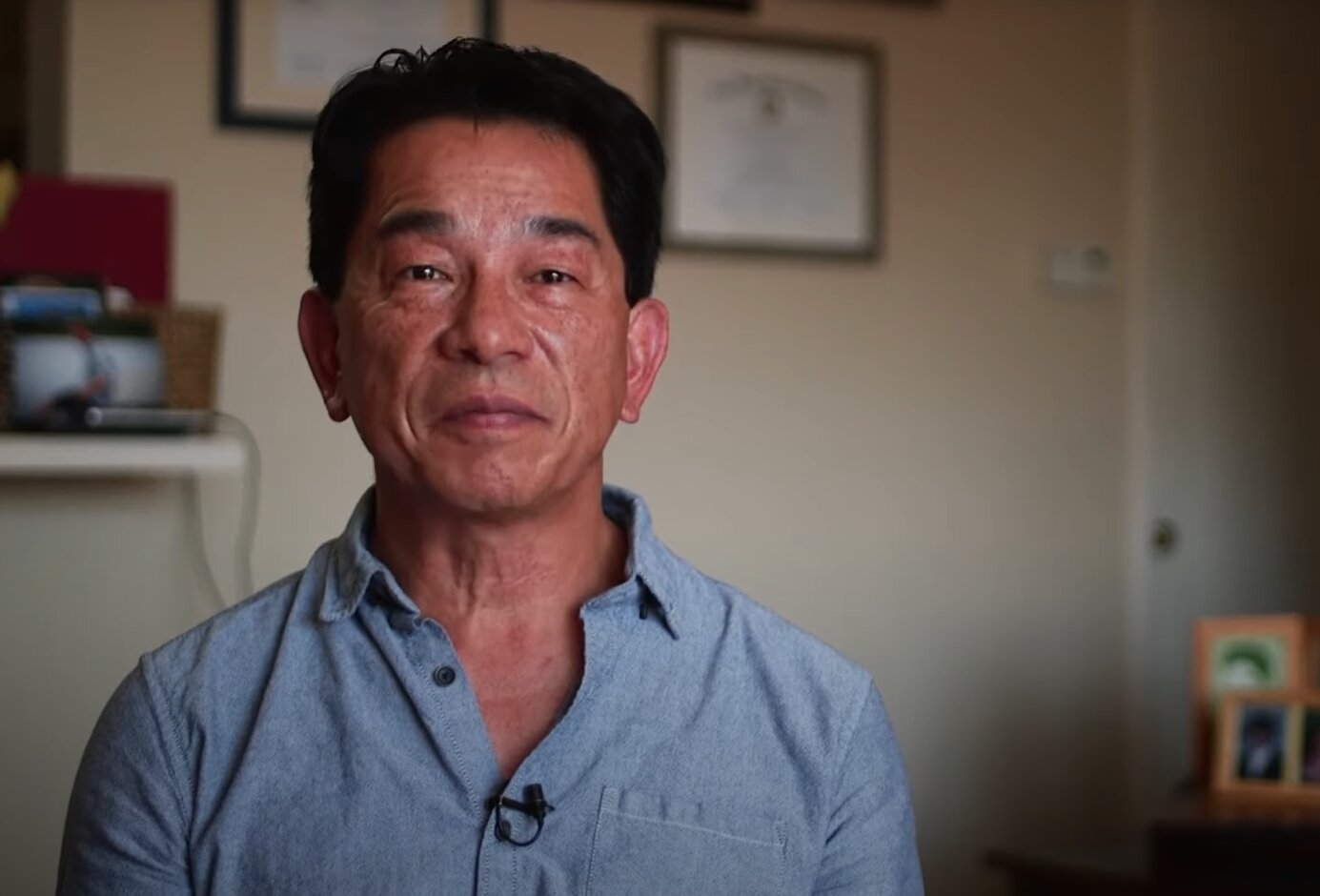
"Even now, after our case is over, Ryan is still there for us whenever we need him. They're good people."
NO FEES UNLESS WE WIN GUARANTEE
NO FEES UNLESS WE WIN GUARANTEE


How Does Autonomous vs. Manual Mode Affect Liability?
The mode at impact can shift liability, and in manual mode the case looks like any other negligence claim against the driver. With a Level 2 system engaged, the driver generally remains responsible, but the automaker may share fault if the system malfunctioned or was designed in a way that invited misuse. When a true autonomous system was in control, the focus moves to the company that built and operates it.
Marketing matters, too. In December 2025, the California DMV adopted an administrative law judge’s finding that Tesla’s “Autopilot” and “Full Self-Driving Capability” labels misled consumers, and the DMV’s February 2026 announcement confirmed Tesla stopped using the “Autopilot” name in California to avoid a license suspension. That finding does not decide any injury case, but it supports the argument that driver overreliance was foreseeable to the seller. If a Tesla was involved, our guide on suing after a Tesla Autopilot crash covers that situation in more depth.
Proving which mode was active usually comes down to data. Under NHTSA’s Standing General Order on crash reporting, manufacturers must report certain crashes when an automated driving system or a Level 2 system was in use within 30 seconds before impact, with the most serious crashes due within five days. Those reports and the vehicle’s event data answer the mode question more reliably than anyone’s memory.
Who Is Liable When a Robotaxi Crashes in California?
With no human operator in a driverless robotaxi, the company that deploys it becomes the central defendant. Section 38750 requires a manufacturer to hold $5 million in insurance, a surety bond, or proof of self-insurance before it tests or deploys autonomous vehicles on public roads, so real coverage usually stands behind these claims. The company may be liable for negligent fleet maintenance or monitoring, and it may face strict product liability for a defective design or software flaw. Under the rule the California Supreme Court adopted in Greenman v. Yuba Power Products (1963), an injured person does not have to prove carelessness, only that a defect in the product caused the harm.
Passengers may be in an even stronger position. Civil Code section 2100 requires a carrier of persons for reward to use the utmost care and diligence for their safe carriage, and courts may apply that higher duty to a company that sells driverless rides. Sensor and software suppliers can also share responsibility when their components fail. If you were riding in a Waymo or a similar service, these issues overlap heavily with our work as a Los Angeles rideshare accident lawyer.
California also closed a long-standing enforcement gap this year. Assembly Bill 1777 added Vehicle Code section 38752, and since July 1, 2026, peace officers can issue a “notice of autonomous vehicle noncompliance” to the manufacturer when its driverless car violates a traffic law, with the company required to send that notice to the DMV within 72 hours. A notice does not by itself create a presumption that the vehicle is unsafe, yet a documented violation at the scene can still be valuable evidence.
You should not have to face a technology company alone, and BANA LAW offers free, confidential consultations 24/7 on a no win, no fee basis, advancing all case costs. In a previous case, we secured a $765,000 settlement for a rideshare passenger rear-ended at a red light in Los Angeles County; that ride had a human driver, not an autonomous system, but it raised the same passenger-safety and insurance questions. No amount of money undoes a serious injury. Past results do not guarantee future outcomes, and every case is evaluated on its own facts.
"I felt very protected, especially the way Ryan answered any question I had. I was very happy with the results of my case."
NO FEES UNLESS WE WIN GUARANTEE
NO FEES UNLESS WE WIN GUARANTEE
So, Who Is Liable When an Autonomous Vehicle Crashes in California?
Liability for an autonomous vehicle crash in California falls on whoever caused it: the person in the driver’s seat if they misused or failed to supervise the system, the company that built or operates the vehicle if its technology failed, another driver who acted carelessly, or several of them in shares of fault. California follows pure comparative negligence, adopted in Li v. Yellow Cab Co. (1975), so each party pays in proportion to its fault and an injured person who was partly to blame can still recover a reduced amount. Under Civil Code section 1431.2, each defendant pays only its own share of non-economic damages such as pain and suffering, while economic losses like medical bills can generally be collected in full from any responsible defendant.
Who May Be Liable, Scenario by Scenario
Responsibility shifts with what the vehicle was doing and who was hurt. Real cases often combine rows, so we name every party the evidence supports.
| Crash scenario | Who may be liable | Main legal basis |
|---|---|---|
| Level 2 car crashes while the driver is distracted | The human driver; the automaker if a system defect contributed | Civil Code section 1714 negligence; product liability |
| Autonomous car in testing with a person in the driver’s seat | The operator in the driver’s seat and the testing company | Vehicle Code section 38750 operator definition; negligence |
| Fully driverless robotaxi hits another car, cyclist, or pedestrian | The AV company; possibly sensor or software suppliers | Strict product liability; negligence |
| Passenger injured inside a driverless robotaxi | The AV company as a carrier for hire | Civil Code section 2100 utmost care duty |
| Human driver crashes into an autonomous vehicle | The human driver and that driver’s insurer | Civil Code section 1714 negligence |
| Injured person was partly at fault | Recovery reduced by that person’s share of fault | Pure comparative negligence (Li v. Yellow Cab) |
The more of the driving the technology performed, the more liability moves from the person in the seat to the company behind the system. Naming only one party when the evidence supports several can leave compensation on the table.
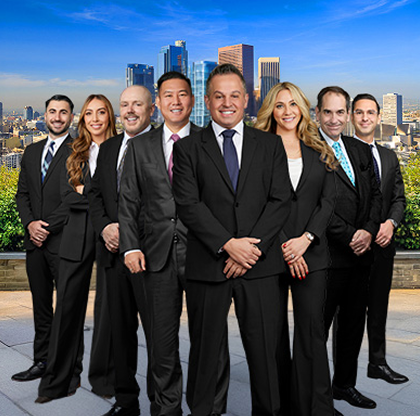
"Our goal is to remove the stress of the case from you, so you can focus on treating your injuries and begin your road to recovery."
NO FEES UNLESS WE WIN GUARANTEE
NO FEES UNLESS WE WIN GUARANTEE
What Evidence Helps Prove Fault in a Self-Driving Car Accident?
Autonomous vehicles record far more about a crash than ordinary cars, but that data sits on company servers, not in the police report. Cameras, lidar, radar, and decision logs show what the car detected and when it braked or steered. DMV regulations require companies testing autonomous vehicles to report any collision involving property damage, injury, or death within 10 days, and the DMV publishes those reports. The most detailed records stay in the company’s control, so preserving them quickly is critical.
When we take on an autonomous vehicle case, we work through the same core steps to identify every responsible party:
- Send preservation demands to the AV company, automaker, and fleet operator for sensor footage, software logs, and remote-assistance records.
- Gather the police report, including any notice of autonomous vehicle noncompliance issued at the scene.
- Obtain the company’s DMV collision report and any federal crash report filed for the incident.
- Collect witness statements, security and dashcam video, and scene photos.
- Retain reconstruction experts to compare the data against what a careful driver or properly designed system would have done.
- Allocate fault among drivers, companies, and suppliers, then pursue each party’s coverage.
Deadlines keep running while this work happens. Most injury lawsuits in California must be filed within two years under Code of Civil Procedure section 335.1, and a claim against a public agency generally requires a written government claim within six months under Government Code section 911.2. Our article on what to do if a self-driving car crashes into you covers the first days.
Understanding Who Is Liable When an Autonomous Vehicle Crashes in California
Self-driving technology changes who is behind the wheel, but not the basic promise of California law: those whose carelessness or defective products cause harm should answer for it, whether a distracted driver, a robotaxi company, a supplier, or another motorist. What sets these cases apart is the evidence: technical, time-sensitive, and held by the companies you may need to pursue.
- Ask an attorney to send a preservation demand before self-driving data is overwritten.
- Do not assume the person in the driver’s seat is the only responsible party; automakers, AV companies, and suppliers may share fault.
- Track your deadlines: generally two years to file a lawsuit, and six months for a claim against a public agency.
How BANA LAW Can Help
Autonomous vehicle cases combine two of our core practice areas. Our Los Angeles product liability lawyers pursue manufacturers and suppliers when defective technology causes harm, and our Los Angeles car accident lawyers handle the fault and insurance disputes that follow. As CAALA and CAOC members, we prepare each case as if it will go to trial.
Frequently Asked Questions: Who Is Liable When an Autonomous Vehicle Crashes in California?
Who is at fault if a self-driving Waymo hits me in California?
When no human is driving, the company operating the robotaxi is usually the main responsible party, through negligence or strict product liability. Another driver, a parts supplier, or the injured person can share fault, and California divides responsibility by percentage.
Can I sue Waymo directly?
Yes, you can generally bring a claim directly against the company operating a driverless vehicle, which California requires to carry $5 million in coverage. Many claims resolve through that coverage, but a lawsuit may be needed if fault or damages are disputed.
What is AB 1777 and how does it affect my case?
AB 1777 is a California law that, since July 1, 2026, lets police issue a notice of noncompliance to the manufacturer when its driverless car breaks a traffic law. A notice does not prove the car was unsafe, but it creates an official record that can support your claim.
I was a passenger in a Waymo that crashed. What are my rights?
Paying passengers may be owed the highest duty of care under Civil Code section 2100, which applies to carriers of persons for reward. You may have claims against the robotaxi company, any other driver involved, and possibly the makers of faulty components.
How long do I have to file a claim after a robotaxi crash in California?
Most personal injury lawsuits in California must be filed within two years of the injury under Code of Civil Procedure section 335.1. If a public agency is involved, a written government claim is generally due within six months.
Who pays for damages in an autonomous vehicle accident?
Payment usually comes from the at-fault party’s insurance, such as a driver’s auto policy or the AV company’s coverage. When several parties share fault, each may contribute according to its percentage of responsibility.
Can you sue Tesla for an Autopilot accident?
You may have a product liability claim against Tesla if a defect in its driver-assist system contributed to the crash, even though the driver usually remains responsible at Level 2. These cases often name both the driver and the automaker.
Can the family file a lawsuit in a fatal driverless car accident?
Yes, a spouse, children, or other family members listed in Code of Civil Procedure section 377.60 may bring a wrongful death claim against every responsible party. That lawsuit generally must be filed within two years of the death.
What kind of compensation can I get after a driverless car accident?
You may recover economic damages such as medical bills, lost wages, and property damage, plus non-economic damages for pain, suffering, and emotional distress. In rare cases involving oppression, fraud, or malice, Civil Code section 3294 also allows punitive damages.
How Is Liability Determined in a Self-Driving Car Accident?
Liability is determined by reconstructing what the vehicle and every driver did, using sensor data, police reports, witnesses, and experts. A jury or insurer then assigns each responsible party a percentage of fault under California’s pure comparative negligence rule.
How Is Sensor and Vehicle Data Used in a Waymo Accident Claim?
Camera, lidar, and radar recordings and decision logs show what the car detected and how it responded. Because the company controls that data, your attorney should demand its preservation quickly and have experts review it.
Is a robotaxi crash claim worth more than an ordinary car accident claim?
Not automatically, because value depends on your injuries, losses, and evidence rather than the type of vehicle. Robotaxi claims can involve larger coverage and more defendants, but they are also more technical and heavily contested.
Talk to BANA LAW About Your Autonomous Vehicle Crash
If a self-driving car or robotaxi injured you or someone you love, call BANA LAW, PC at (866) 418-1437 for a free, confidential consultation, available 24/7. We work on a no win, no fee basis, so you pay no attorney’s fees unless we recover compensation, and we advance all case costs. Se Habla Español.
Legal Disclaimer
This article provides general information about California law and is not legal advice. Reading it or contacting BANA LAW, PC through this website does not create an attorney-client relationship. Autonomous vehicle laws change often, and every outcome depends on specific facts. Past results do not guarantee future outcomes, and you should consult a licensed California attorney about your situation.

"We use over 100 years of combined legal experience to help our clients get the maximum compensation available under the circumstances."
NO FEES UNLESS WE WIN GUARANTEE
NO FEES UNLESS WE WIN GUARANTEE


