


Reviewed by Shant Nashalian, Litigation Attorney at BANA LAW, PC. Last reviewed: October 2026.
If a big rig has just upended your life, you are probably asking how this could have happened. Understanding what causes truck accidents in Los Angeles matters because the cause decides who can be held responsible for your losses. In a federal study of 967 serious crashes, researchers found that driver action or inaction, by the trucker or the other motorist, was the critical reason in 88 percent of them. For more than two decades, BANA LAW has represented Californians hurt in collisions with semi-trucks, delivery trucks, garbage trucks, and tankers. This guide covers the causes our attorneys see most often and why the freeways feeding the ports of Los Angeles and Long Beach carry so much risk. For jackknifes, rollovers, and other crash patterns, see our overview of the most common types of truck accidents. Here we focus on why those crashes happen, which records prove it, and how California law assigns fault when more than one party played a role.
What is the single most common cause of truck accidents?
Truck driver error is the single most common cause of truck accidents, and it usually grows out of conditions the trucking company created: tight delivery windows, long shifts, and pay by the mile. Federal researchers found drivers ten times more likely to cause a crash than weather, roads, or vehicle performance. In our cases, the mistake behind the wheel is rarely the whole story, so we also examine the dispatch records and safety policies behind it.
Fatigue and hours-of-service violations
A tired trucker reacts slowly and can drift across lanes or fall asleep. Under 49 CFR 395.3, a property-carrying driver may drive up to 11 hours within a 14-hour window after 10 consecutive hours off duty, and needs a 30-minute break after more than 8 hours of driving. Electronic logs, fuel and toll receipts, and dispatch messages show whether the driver’s day added up. A carrier that schedules loads that cannot be delivered legally shares responsibility.
Distracted driving and phone use
A big rig at 55 mph covers roughly 80 feet every second, so a five-second glance at a phone travels farther than a football field. Federal rule 49 CFR 392.82 bars commercial drivers from using a hand-held phone while driving, even when stopped in traffic, and bars carriers from requiring or allowing it. Phone records, cab camera footage, and dispatch data often show what the driver was doing just before impact, and companies that expect drivers to answer messages on the move share the blame.
Speeding and following too closely
A fully loaded tractor-trailer can weigh up to 80,000 pounds and needs far more distance to stop than a passenger car. California’s Vehicle Code section 22406 limits trucks with three or more axles, and any truck pulling a trailer, to 55 mph, even where cars may go faster. In stop-and-go Los Angeles traffic, a tailgating big rig rear-ending a slowing car is among the most common crashes we see. Engine control module data, GPS tracking, and dashcam video can establish the truck’s speed and following distance before braking began.
Impaired driving
Under Vehicle Code section 23152, driving a commercial vehicle with a blood alcohol concentration of 0.04 percent or more is unlawful, half the limit for ordinary drivers. Impairment also includes drowsiness-causing medications, which federal researchers singled out for further study. Post-crash drug and alcohol testing, which federal rules require after certain serious crashes, and the carrier’s testing history show whether impairment played a role. A carrier that skipped required testing may face liability of its own.

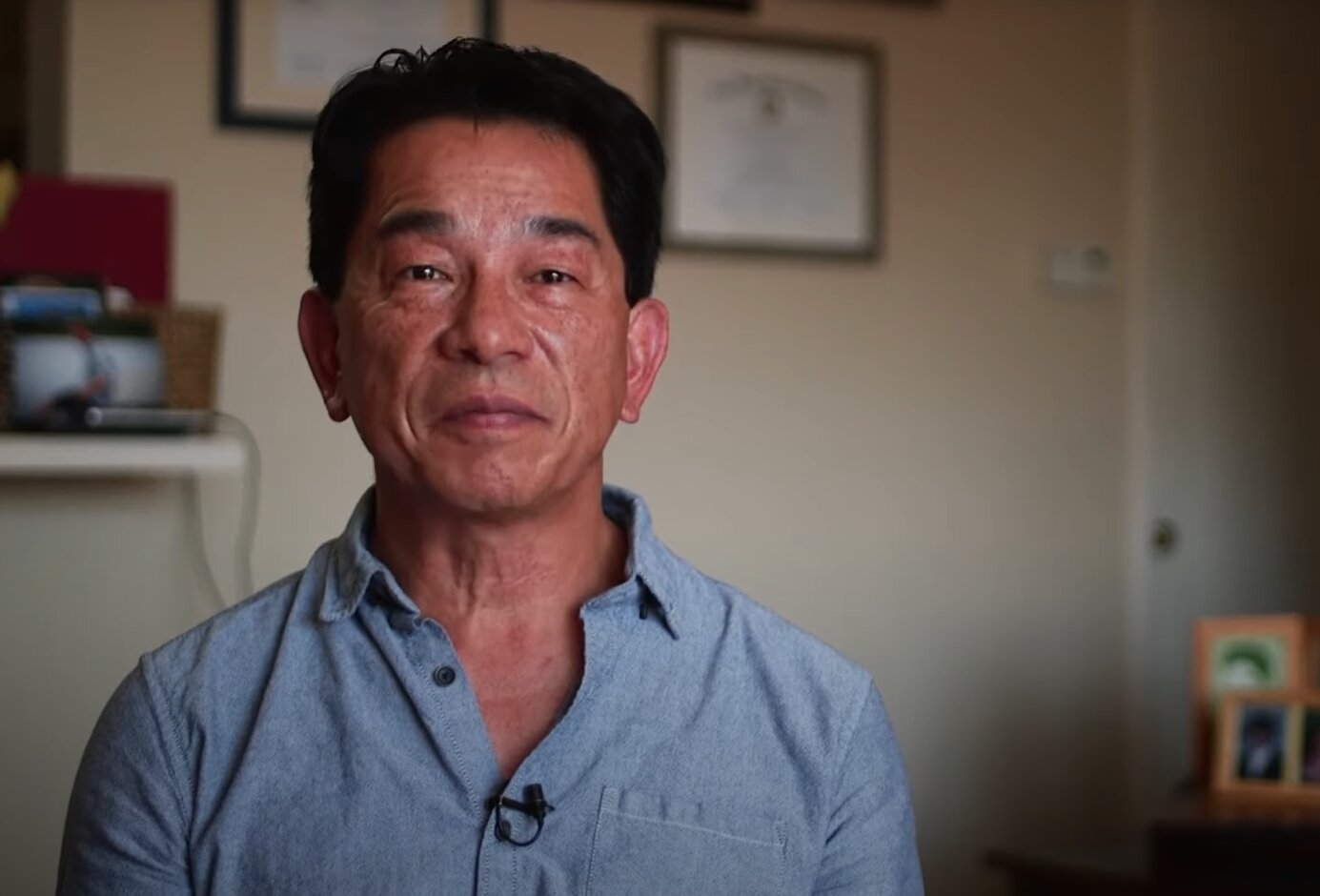
"Even now, after our case is over, Ryan is still there for us whenever we need him. They're good people."
NO FEES UNLESS WE WIN GUARANTEE
NO FEES UNLESS WE WIN GUARANTEE


What are California’s riskiest freeways for truck accidents?
California’s riskiest freeways for truck accidents cluster around Southern California’s freight network, with Los Angeles at its center. The ports of Los Angeles and Long Beach form the busiest container port complex in the country, and their trucks funnel onto the I-710 Long Beach Freeway and the I-110 Harbor Freeway before spreading to the I-5, I-10, I-405, and State Route 60 toward rail yards and Inland Empire warehouses. Heavy truck volume, constant merging, short on-ramps, and sudden slowdowns are where fatigue, speed, and distraction turn deadly. Under Vehicle Code section 21655, trucks covered by the 55 mph limit must use any lane designated by signs or, where none is posted, the right-hand lane (or the lane just left of it on a divided highway with four or more lanes in one direction), as Caltrans explains in its lane-use guidance. When a trucker ignores those rules, abrupt lane changes and blind-spot collisions follow, and under Evidence Code section 669, breaking a safety law meant to prevent that harm can create a presumption of negligence. In one Los Angeles County case, a semi-truck driver traveling in a freeway lane where semi-trucks were not allowed veered abruptly as traffic slowed, struck the truck ahead, and left our client no time to avoid a collision; our client suffered a spine injury, and we secured a $1,000,000 settlement. No amount of money undoes an injury like that, but it can provide stability during recovery. Past results do not guarantee future outcomes, and every case is evaluated on its own facts. City streets carry their own risks, and our firm’s case history includes trucks that ran stop signs and red lights or reversed into cars leaving a shopping center lot. If you were hurt in any of these situations, our attorneys can review your case in a free, confidential consultation, available 24/7, and you pay no fee unless we recover compensation for you.

"You can rely on our team to provide dedicated support while handling your personal injury claim."
NO FEES UNLESS WE WIN GUARANTEE
NO FEES UNLESS WE WIN GUARANTEE
What Causes Truck Accidents in Los Angeles?
Truck accidents in Los Angeles are usually caused by driver error, such as fatigue, distraction, speeding, and unsafe lane changes, combined with company failures like skipped maintenance, overloaded or poorly secured cargo, and unrealistic delivery schedules. Port traffic on the I-710 and I-110 and stop-and-go congestion make those mistakes far more dangerous. Many of these causes begin before the truck ever leaves the yard.
Poor maintenance and brake failure
Worn brakes, bald tires, and failing steering parts do not fix themselves on high-mileage rigs. Under 49 CFR 396.3, carriers must systematically inspect, repair, and maintain every vehicle they control and generally keep those records for one year. Driver vehicle inspection reports, repair invoices, and a post-crash brake inspection often show a defect was known and ignored. Responsibility can fall on the carrier, a repair shop, or a parts maker, as our guide to maintenance-related truck accidents explains.
Improperly loaded or unsecured cargo
An overloaded trailer is harder to stop, and a shifting load can tip a truck or spill freight across lanes. Federal cargo securement rules in 49 CFR Part 393 require loads to be blocked, braced, and tied down so they cannot shift or fall. Bills of lading, scale tickets, and the condition of straps and chains show whether cargo was the problem. Because a separate shipper or loader often packed the trailer, liability can reach beyond the trucking company.
Negligent hiring, training, and dispatch pressure
Federal driver qualification rules in 49 CFR Part 391 require carriers to check a driver’s license, driving record, and fitness to drive before putting that driver on the road. Companies that hire drivers with poor records, skip training, or reward speed create risk long before any collision. The driver qualification file, training records, and the carrier’s federal safety history show whether the company cut corners. In those cases the trucking company is directly responsible for its own negligence, not only for its driver’s mistakes.
Which records reveal what caused a truck accident?
| Cause | Rule | Key evidence | Who may be responsible |
|---|---|---|---|
| Fatigue | 49 CFR 395.3 | Electronic logs, dispatch messages | Driver, carrier |
| Distraction | 49 CFR 392.82 | Phone records, cab video | Driver, carrier |
| Speeding or tailgating | Vehicle Code 22406 | Engine data, dashcam video | Driver, carrier |
| Unsafe lane use | Vehicle Code 21655 | Witnesses, traffic footage | Driver, carrier |
| Impairment | Vehicle Code 23152(d) | Post-crash testing | Driver, carrier |
| Poor maintenance | 49 CFR 396.3 | Inspection and repair records | Carrier, repair shop, parts maker |
| Cargo problems | 49 CFR Part 393 | Bills of lading, scale tickets | Shipper, loader, carrier |
Almost every cause leaves a paper or digital trail, but most of it sits with the trucking company and can be overwritten if no one asks for it in time, which is why a prompt preservation letter is often our first step.
"I felt very protected, especially the way Ryan answered any question I had. I was very happy with the results of my case."
NO FEES UNLESS WE WIN GUARANTEE
NO FEES UNLESS WE WIN GUARANTEE
How do these causes overlap in real crashes?
Truck crashes rarely have a single cause: a driver pushed past the hours limit grows drowsy, tailgates on the I-5, and finds too late that the trailer brakes were out of adjustment. Each cause points toward a different responsible party, which is why trucking insurers often frame a crash around the one cause that shifts blame onto the car’s driver. Identifying every cause also opens more sources of compensation, since federal rules in 49 CFR Part 387 require most interstate carriers hauling general freight to carry at least $750,000 in liability coverage.

"Our goal is to remove the stress of the case from you, so you can focus on treating your injuries and begin your road to recovery."
NO FEES UNLESS WE WIN GUARANTEE
NO FEES UNLESS WE WIN GUARANTEE
How is fault different in a truck crash versus a car crash?
Fault in a truck crash differs because federal safety rules help define careful conduct and more parties can share the blame, including the carrier, trailer owner, shipper, maintenance contractor, and parts manufacturer. Under California law, an employer is generally responsible for an employee’s negligence on the job, and a carrier can also be directly liable for its own failures, as our FAQ on whether you can sue the trucking company and the truck driver explains. California follows pure comparative negligence, adopted by the state Supreme Court in Li v. Yellow Cab Co. in 1975, so your compensation is reduced by your share of fault rather than barred. Most injury lawsuits must be filed within two years under Code of Civil Procedure section 335.1, and if a city or county vehicle such as a garbage truck caused the crash, a government claim generally must be filed within six months under Government Code section 911.2. Evidence can disappear even sooner, so these steps help preserve it:
- Get medical care right away, since those records link your injuries to the crash.
- Request the police report from the California Highway Patrol or the Los Angeles Police Department.
- Photograph the truck, its DOT number, cargo, skid marks, and road conditions.
- Collect witness contacts and note nearby businesses with cameras.
- Avoid recorded statements to the trucking company’s insurer.
- Call a truck accident attorney quickly, so a preservation letter goes out before evidence is lost.
Understanding What Causes Truck Accidents in Los Angeles
Knowing what causes truck accidents in Los Angeles shows that most of these crashes are preventable and that those who made them possible can be held responsible. Each cause leaves evidence, but it usually sits with the trucking company and does not stay there forever.
- Most truck crashes trace back to driver behavior shaped by company schedules, hiring, and maintenance.
- Logs, engine data, video, and maintenance records reveal the cause, so have them preserved quickly.
- File within two years for most injury lawsuits, or six months for a government claim.
How BANA LAW Can Help
Our trial attorneys move quickly to secure logs, video, and engine data and pursue every party whose decisions contributed to your injuries. Learn how our Los Angeles truck accident lawyers build these cases, or read about our work on 18-wheeler accident claims in Los Angeles. BANA LAW is a member of CAALA and CAOC, and our attorneys have been recognized by Best Lawyers® and Super Lawyers®.
Frequently Asked Questions About What Causes Truck Accidents in Los Angeles
Who can be held liable for a truck accident?
The driver, motor carrier, trailer owner, shipper or loader, maintenance contractor, and parts manufacturer can all share liability, depending on the cause. Each may carry separate insurance.
What should I do after a truck accident?
Get medical care, call the police, and photograph the truck and scene if you safely can. Then avoid recorded statements to the trucking insurer and follow our checklist on what to do after a trucking accident.
Does it matter if the lawyer understands trucking?
Yes, because truck cases turn on federal hours-of-service rules, maintenance standards, and logging data that rarely arise in car claims. A lawyer who knows where that evidence lives can demand it before it is lost.
How long do I have to file a truck accident lawsuit in California?
Most injury lawsuits must be filed within two years of the crash, and wrongful death claims within two years of the death. Claims involving a government vehicle usually require action within six months, as our guide to the personal injury statute of limitations in California explains.
What is the FMCSA and why does it matter to my case?
The Federal Motor Carrier Safety Administration writes and enforces safety rules for commercial trucks, including driving-hour limits and maintenance requirements. A violation of those rules can be strong evidence of negligence in a California claim.
What key details should I collect from the truck crash scene?
Photograph the truck, trailer, company name, DOT number, plates, and damage, and write down the driver’s name, employer, and insurer. Note nearby cameras too, because that footage is often erased within days.
How quickly do I need to act to preserve my rights?
Contact an attorney within days if you can, because trucking companies are not required to keep some data and video indefinitely. An early preservation letter warns the carrier that destroying evidence carries serious consequences.
Who will pay my LA County truck accident settlement?
Usually the trucking company’s liability insurer pays, and most interstate carriers hauling general freight must carry at least $750,000 in coverage. Policies held by a shipper or maintenance company may also apply.
Who pays my medical bills after a big rig crash on the 710?
While your claim is pending, your health insurance or auto medical payments coverage usually pays first, and some providers treat on a lien. Those payers may seek reimbursement, so all medical expenses belong in your damages claim.
Do semi trucks have black boxes?
Most semi trucks have an engine control module that records speed and braking data, and most carriers must also use electronic logging devices. That data can be overwritten, so an attorney should demand its preservation right away.
What percentage of truck accidents are caused by cars?
Studies disagree, with some industry-funded research blaming car drivers most often and other analyses finding a more even split. What matters in a California claim is the evidence from your crash, because fault is divided under comparative negligence.
How much compensation might my truck accident claim be worth?
Value depends on your injuries, medical costs, lost income, daily-life impact, and available insurance. Our guide on how much a California personal injury case is worth explains these factors in detail.
Talk to a Los Angeles Truck Accident Attorney Today
You do not have to face the trucking company’s insurer alone. Call BANA LAW at (866) 418-1437 for a free, confidential consultation, available 24/7. We work on a no win, no fee basis, so you pay no attorney fees unless we recover compensation for you, and we advance all case costs. Se Habla Español.
Legal Disclaimer
This article provides general information and is not legal advice. Reading it or contacting BANA LAW through this website does not create an attorney-client relationship. Please consult a licensed California attorney about your situation. Past results do not guarantee future outcomes.

"We use over 100 years of combined legal experience to help our clients get the maximum compensation available under the circumstances."
NO FEES UNLESS WE WIN GUARANTEE
NO FEES UNLESS WE WIN GUARANTEE


